Discovering the Power of Chickweed for Eczema Relief

Updated: Aug 3
Chickweed (Stellaria media) is a fast-growing, low-lying herb found in many parts of the world. It has been used in traditional herbal medicine for centuries. Chickweed contains several active compounds, including saponins, flavonoids, and antioxidants, which contribute to its anti-inflammatory and soothing properties.
For people with eczema, chickweed’s ability to calm inflammation and reduce itching makes it a valuable natural option. Eczema causes dry, red, and itchy patches on the skin, often leading to discomfort and sometimes infection. Chickweed helps by:
Reducing redness and swelling
Soothing irritated skin
Supporting skin repair and hydration
These effects come from chickweed’s gentle nature, making it suitable for sensitive skin and even delicate areas like the lips and underarms.
The Multifaceted Benefits of Chickweed for Skin and Hair
Chickweed is not just for the skin. It also benefits hair by nourishing the scalp and promoting healthy hair growth. The herb’s nutrients improve blood circulation in the scalp, which can help strengthen hair follicles and reduce hair loss.
People who use chickweed for hair often report:
Less scalp dryness and flakiness
Reduced itching and irritation
Shinier, softer hair texture
You can apply chickweed as an infused oil or rinse to the scalp. This natural approach avoids harsh chemicals found in many commercial hair products.
Using Chickweed for Eczema and Other Skin Conditions
Chickweed can be used in several forms to treat eczema and other skin problems:
1. Chickweed Salve or Cream
A popular way to use chickweed is in a salve or cream. These products combine chickweed extract with moisturizing ingredients like shea butter or coconut oil. Applying the salve to eczema patches can relieve itching and speed healing.
2. Chickweed Infused Oil
Infusing chickweed in a carrier oil creates a soothing oil that can be massaged into dry or irritated skin. This oil also works well for lips and underarms, areas prone to dryness and sensitivity.
3. Fresh Chickweed Poultice
For immediate relief, a poultice made from fresh chickweed leaves can be applied directly to the skin. Crushing the leaves releases the juice, which cools and calms inflamed skin.
4. Chickweed Tea for Internal Support
Drinking chickweed tea may support skin health from the inside. The herb’s antioxidants help reduce overall inflammation, which can benefit chronic skin conditions.
Practical Tips for Using Chickweed Safely
Patch test first: Apply a small amount of chickweed product to a small skin area to check for allergic reactions.
Use fresh or organic chickweed: Avoid plants from treated lawns or roadsides.
Consult a healthcare provider if you have severe eczema or other skin conditions before starting new treatments.
Combine with other gentle skincare: Chickweed works best alongside moisturizing and gentle cleansing routines.
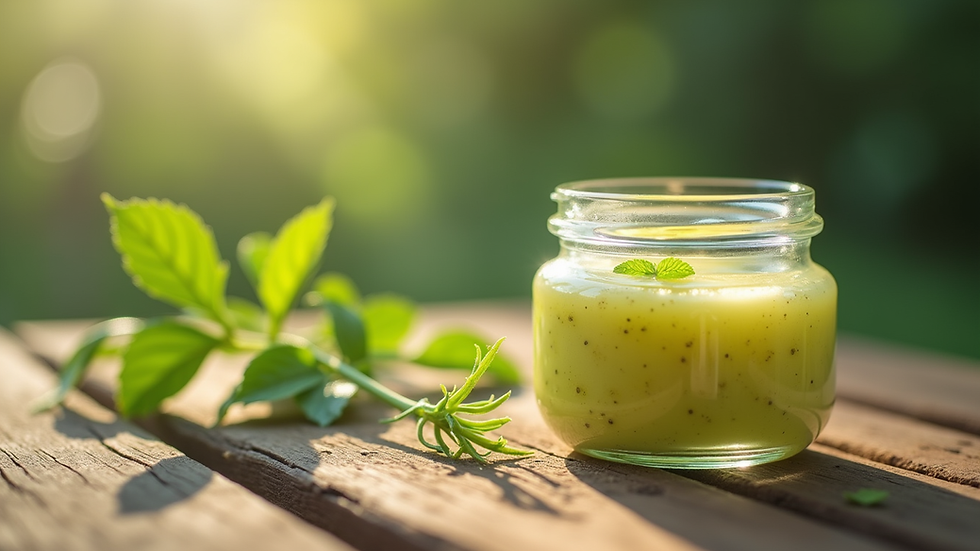
Benefits of Chickweed for Lips and Underarms
The skin on lips and underarms is delicate and often reacts to harsh products or environmental factors. Chickweed’s mild, soothing properties make it ideal for these sensitive areas.
Lips: Chickweed salve or oil can hydrate chapped lips, reduce inflammation, and protect against dryness.
Underarms: Applying chickweed oil can calm irritation caused by shaving or deodorants, and help maintain smooth, healthy skin.
Using chickweed in these areas can reduce discomfort without clogging pores or causing irritation.
How to Incorporate Chickweed Into Your Routine
Here are some simple ways to add chickweed to your skin and hair care:
Use chickweed-infused oil as a daily moisturizer for dry patches or scalp massage.
Apply fresh chickweed poultices for flare-ups of eczema or itchy skin.
Drink chickweed tea regularly to support skin health from within.
Combine chickweed treatments with gentle skincare products free from fragrances and harsh chemicals.
What Research Says About Chickweed and Skin Health
Scientific studies on chickweed are limited but promising. Research highlights chickweed’s anti-inflammatory and antioxidant effects, which are key to managing eczema symptoms. Some studies also suggest chickweed can help with wound healing and skin hydration.
While chickweed is not a cure for eczema or other skin diseases, it offers a natural, supportive option that many find helpful. Always use it as part of a broader skincare plan and consult a dermatologist for persistent or severe conditions.
Final Thoughts on Chickweed for Eczema, Hair, and Skin
Chickweed is a versatile herb with soothing benefits for eczema, hair, and sensitive skin areas like lips and underarms. Its natural anti-inflammatory and moisturizing properties make it a gentle choice for those seeking relief without harsh chemicals. Whether used as a salve, oil, poultice, or tea, chickweed supports skin comfort and health in multiple ways.
By embracing the power of chickweed, you can take a step towards a more natural, personalized self-care routine. Let this humble herb inspire your journey to healthier skin and hair.


Comments