Discover the Amazing Benefits of Arnica for Your Face and Skin Inflammation

Skin inflammation can cause discomfort, redness, and irritation that affect your confidence and daily life. Finding natural remedies that soothe and heal the skin is a priority for many people. Arnica, a plant known for its healing properties, has gained attention as a gentle and effective option for treating facial skin issues and inflammation. This post explores how arnica works, its benefits for your face, and practical ways to include it in your skincare routine.

What Is Arnica and How Does It Work?
Arnica is a flowering plant native to mountainous regions of Europe and North America. It contains compounds like helenalin and flavonoids that have anti-inflammatory and antioxidant effects. These compounds help reduce swelling, redness, and pain when applied to the skin.
When used topically, arnica stimulates blood flow and supports the skin’s natural healing process. This makes it a popular choice for bruises, muscle soreness, and skin irritations. For facial skin, arnica can calm inflammation caused by acne, insect bites, or minor injuries.
Benefits of Arnica for Facial Skin
Arnica offers several advantages for improving the appearance and health of your face:
Reduces redness and swelling
Arnica’s anti-inflammatory properties help decrease puffiness and redness, making it useful for sensitive or irritated skin.
Speeds up healing of bruises and wounds
Applying arnica can promote faster recovery from minor cuts, bruises, or post-procedure skin trauma.
Soothes acne inflammation
Acne often causes painful, inflamed spots. Arnica can calm these areas and reduce discomfort without harsh chemicals.
Improves skin texture
By supporting circulation and healing, arnica may help skin look smoother and more even over time.
Natural antioxidant protection
The antioxidants in arnica protect skin cells from damage caused by free radicals, which contribute to aging and inflammation.
How to Use Arnica Safely on Your Face
Using arnica correctly is important to avoid irritation or allergic reactions. Here are some tips for safe application:
Choose arnica products formulated for facial use, such as creams, gels, or serums. Avoid raw arnica or undiluted oils, which can be too strong.
Perform a patch test on a small skin area before applying widely. Stop use if you notice redness, itching, or burning.
Apply arnica only to intact skin. Do not use on open wounds or broken skin.
Use arnica products as directed, usually 1-3 times daily. Overuse can cause skin sensitivity.
Combine arnica with gentle skincare routines, including cleansing and moisturizing, to support overall skin health.
Practical Examples of Arnica in Skincare
Many people find arnica helpful in specific situations:
After cosmetic treatments like microdermabrasion or chemical peels, arnica can reduce redness and swelling.
For acne-prone skin, applying arnica gel on inflamed pimples can calm irritation and speed healing.
If you experience facial bruising from minor injuries or cosmetic injections, arnica cream can help the bruises fade faster.
People with sensitive skin prone to redness use arnica as part of their daily routine to maintain calm, balanced skin.
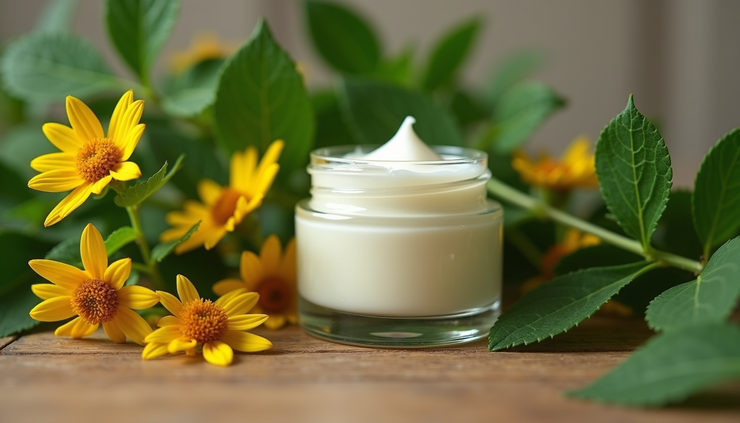
What to Look for When Buying Arnica Products
Not all arnica products are created equal. To get the best results:
Check the ingredient list for genuine arnica extract or oil.
Avoid products with synthetic fragrances or harsh additives that can irritate skin.
Look for brands that test for purity and quality.
Consider products with added soothing ingredients like aloe vera or chamomile for extra calming effects.
Read reviews and choose products suited for your skin type.
Precautions and When to Avoid Arnica
Arnica is generally safe when used topically but avoid it if you:
Have allergies to plants in the Asteraceae family (such as ragweed or daisies).
Are pregnant or breastfeeding without consulting a healthcare provider.
Have broken or damaged skin where arnica could enter the bloodstream.
Experience any adverse reactions after use.
If you have persistent skin inflammation or conditions like eczema or rosacea, consult a dermatologist before adding arnica to your routine.


Comments